


History and evolution of lollipops
The history of lollipops – how sweets on a stick have changed over the centuries
The origins of candy on a stick in antiquity
Ancient civilizations experimented with sweet treats many centuries ago. The Egyptians, Arabs and Chinese made mixtures of honey and fruit, which were impaled on sticks. Honey not only served as a sweetener, but also acted as a natural preservative, which allowed the delicacies to be preserved for longer. This is how the first prototypes of lollipops were created, which were a luxury available mainly to the upper social classes.
Ways to prepare ancient sweets
In different regions of the world, different additives were used to give flavor to such sweets. These included nuts, dried fruit and aromatic spices. Such mixtures were prepared by hand and dried in the sun or baked to harden. This resulted in long-lasting and sweet snacks that children and adults could consume safely.
The development of lollipops in the Middle Ages and the Renaissance
In medieval Europe, sugar became increasingly available thanks to the development of trade with the Middle East. At that time, the first candy on a stick began to be created in a more orderly form. Sticks made eating easier, and the variety of flavors made these delicacies very popular both in cities and at royal courts.
New flavors and techniques
In the Renaissance, colours and aromas were experimented with. Extracts from fruits, herbs and roots were added to the sugar. The first colorful lollipops appeared, which attracted the attention of children. At the same time, round, conical and fancy forms began to be created, which made sweets not only taste good, but also look attractive.
Industrial production of lollipops
At the beginning of the twentieth century, machines for the mass production of lollipops were introduced, which completely changed the confectionery market. Mechanization has made it possible to produce lollipops faster, cheaper, and in various shapes. Thanks to this, delicacies have become available not only to the elites, but also to a wide group of consumers.
Standardization and safety
The machines allowed for the automatic introduction of candy sticks and temperature control, which significantly increased production hygiene. The standardization of forms and flavors made lollipops begin to find their way to schools, festivals and neighborhood shops. They were now not only tasty, but also safe for daily consumption by children.
Modern lollipops – a variety of flavors and forms
Modern lollipops offer a huge variety of flavors, forms and textures. In addition to the classic hard lollipops, you can find gel, caramel, fruit and even ice cream versions. Thanks to this, everyone can find a delicacy tailored to their tastes. Modern lollipops are often designed to encourage experimentation with flavors and colors, as well as being comfortable to use.
PINI ice lollipops – a modern interpretation of the classics
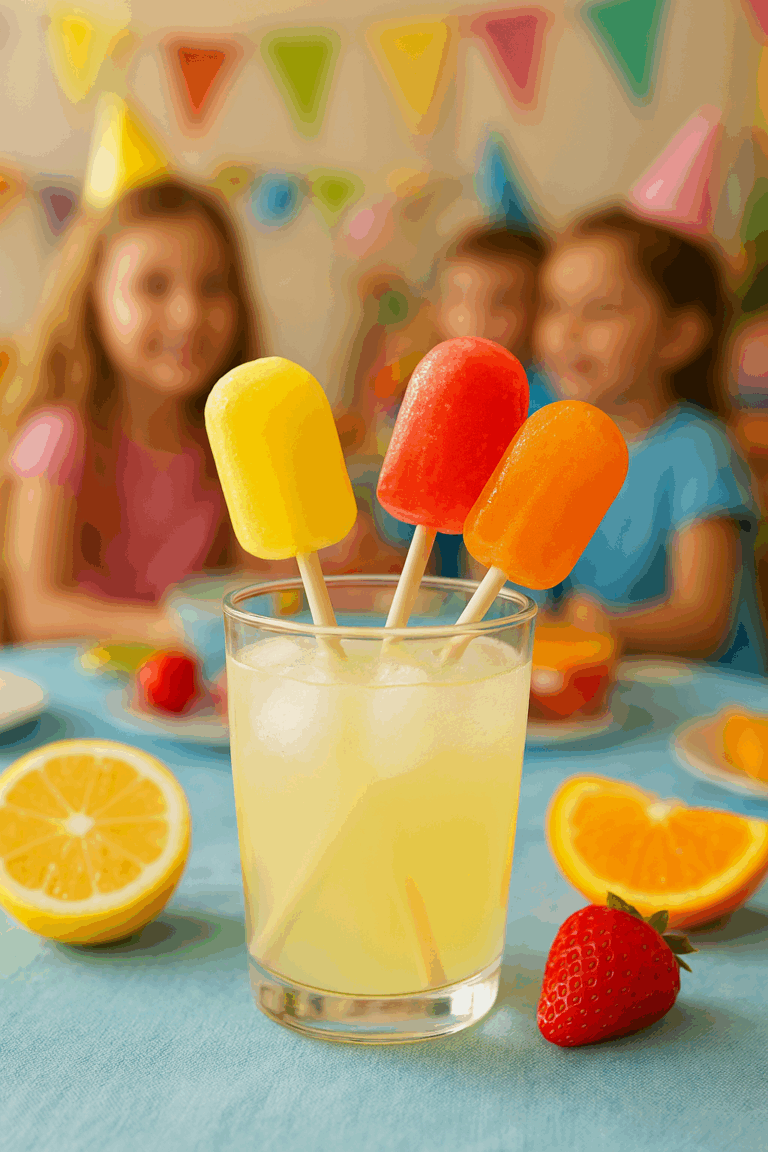
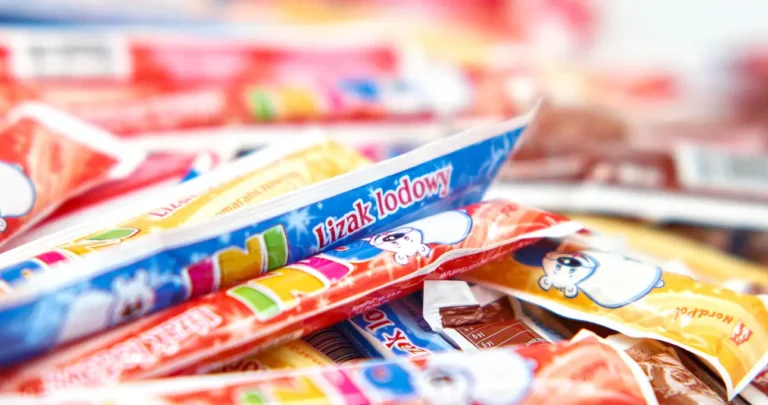
Among the innovative proposals, the PINI ice lollipops stand out, which combine the traditional form of a lollipop with the cooling effect of water ice cream. When frozen, they become a delicious snack perfect for hot days. They are offered in a variety of flavors, such as lemon, orange, cherry or cola, so everyone can choose their favorite version. PINI ice lollipops work well not only at home, but also in schools, playgrounds or during summer events.
The history of lollipops shows how candy on a stick evolved from simple mixtures of honey and fruit in ancient times to the diverse and innovative forms of today’s delicacies. Contemporary PINI ice cream lollipops are a perfect example of a modern interpretation of the classics, combining tradition, taste and refreshment. Thanks to them, every moment becomes a bit of sweet pleasure, perfect for hot days. Order online.